Skip to content

Area 10 of 10

Assessment, intervention and family support

A clear assessment, an individual plan and a family that knows how to help: the three things every child’s progress rests on.

(01)Overview

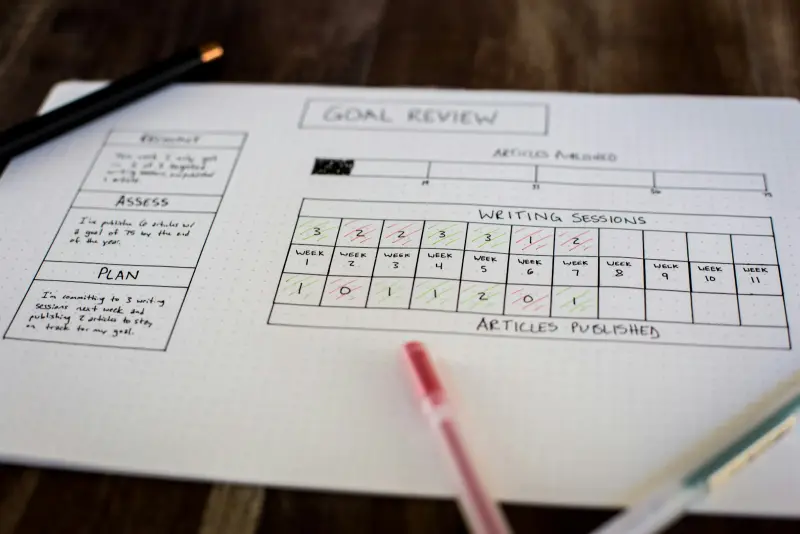
Good therapy starts with a clear picture of the child. At Mayrah, every child begins with a functional assessment of up to 648 skills across ten areas of development, which becomes a baseline that is never overwritten. From it, our Principal Consultant sets goals with a timeline for each, and therapists record progress every week.

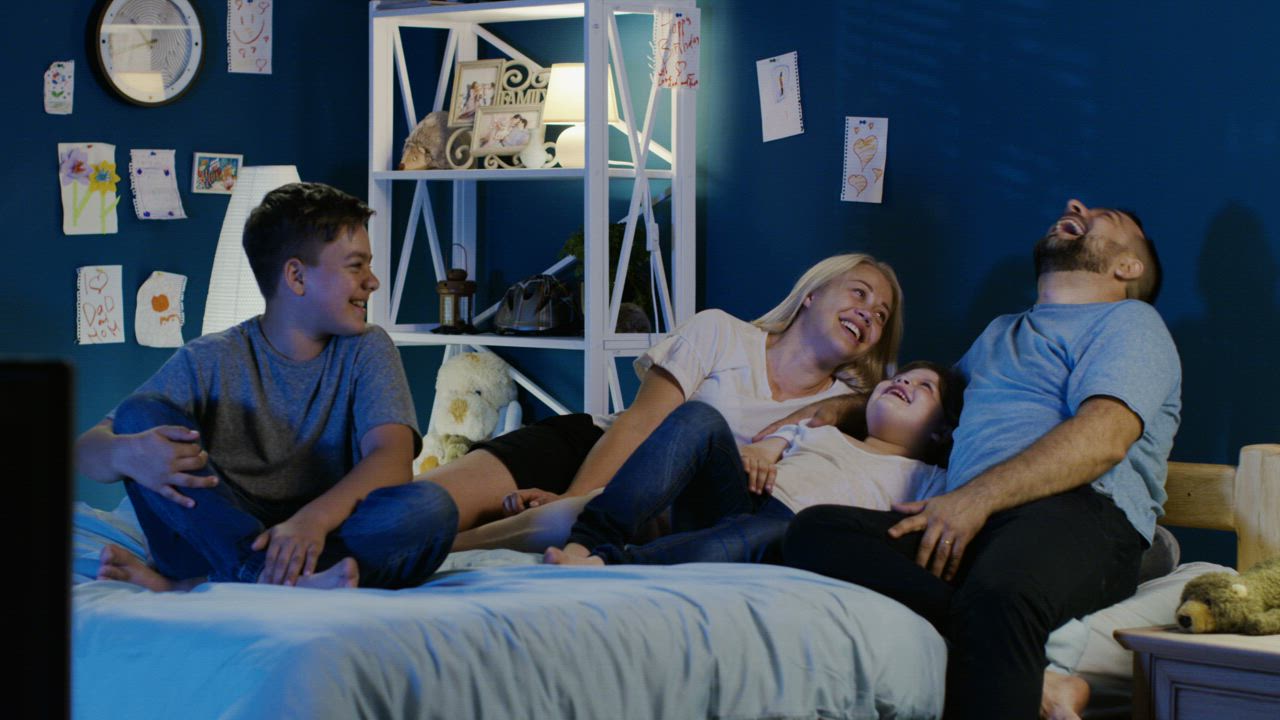
Therapy hours are only part of a child’s week. Families, grandparents, caregivers and teachers spend far more time with a child than any therapist, so we train and support the people around your child, share home activities, and plan from the start for skills to carry over to every setting.

Therapies that help

On this page

16 needs explained in plain language

These descriptions help you understand terms you may hear. They are not a diagnosis, which can only come from a qualified clinician.

(02)What we support

Assessment, intervention and family support, explained

01

Developmental Assessment

A developmental assessment looks at how a child is doing across areas such as communication, social, motor, thinking and daily-living skills. Our functional assessment of up to 648 skills builds a detailed baseline for therapy planning. It is a functional assessment, not a diagnostic one.

02

Early Identification of Developmental Delays

Noticing delays early means support can begin while the brain is most adaptable. MDAS, our free online check for children aged 8 months to 7 years, helps parents see where their child stands and when a conversation with a professional may help.

03

Early Intervention

Early intervention is support given in the early years, ideally soon after a concern is noticed. It focuses on building skills across communication, play, behaviour and daily living, and on helping families support their child at home.

04

Individualised Developmental Intervention

No two children need the same plan. Every programme at Mayrah is built from your child’s assessment and set by our Principal Consultant, with goals that change as your child grows.

05

Occupational Therapy Needs

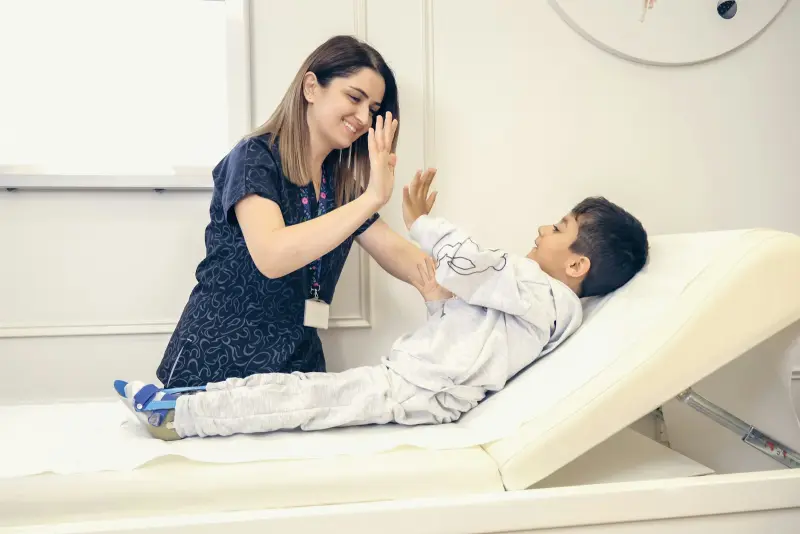
Occupational therapy supports the skills children need for everyday life: sensory regulation, fine and gross motor skills, self-care, handwriting and play. Goals are linked to what matters most to the child and family.

06

Speech and Language Therapy Needs

Speech and language therapy supports understanding, expression, speech sounds and social communication, and where relevant feeding and oral-motor skills. Therapy is play-based and linked to daily routines.

07

Social Skills Training

Social skills training teaches the specific skills children need to interact with others, in one-to-one sessions and small groups, and then practises them in natural settings.

08

Play-Based Intervention

Play is a child’s natural way of learning. Play-based intervention uses the child’s interests to teach communication, social, thinking and motor skills, so learning feels like fun.

09

Sensory-Based Intervention

Sensory-based intervention uses planned sensory activities to help a child stay regulated and ready to learn, as part of a wider therapy plan.

10

Parent Training and Guidance

Parents are the most important people in a child’s life. We teach parents the strategies used in therapy so they can support skills at home, and we keep you informed at every step.

11

Caregiver Training

Grandparents, nannies and other caregivers often spend a lot of time with a child. Training them in the same strategies means the child receives consistent support across the day.

12

Home-Based Skill Development

Skills learnt at the centre need to work at home too. We share home activities and routines, chosen for your child, in every Achievement Report and in regular conversations.

13

Generalisation of Skills Across People and Settings

Generalisation means a child can use a skill with different people, in different places and with different materials, not only with their therapist. We plan for it from the very first goal.

14

Inclusive Education Support

Inclusive education means children with developmental differences learn alongside their peers, with the right support. We help families and schools with strategies that make inclusion work for the child.

15

Individualised Learning Support

Individualised learning support adapts teaching to a child’s level, pace and learning style, building academic and pre-academic skills one step at a time.

16

Classroom Behaviour Support

When behaviour gets in the way of learning in class, we help identify the reasons and suggest practical strategies, working with families and, where they wish, with teachers.

Free assessment

Talk to our team

We will find a time that suits your family.

Top Floor, Plot No. 66–67, Pocket G-29, Sector 3G, Rohini, Delhi 110085