Skip to content

Area 03 of 10

Social interaction, play and participation

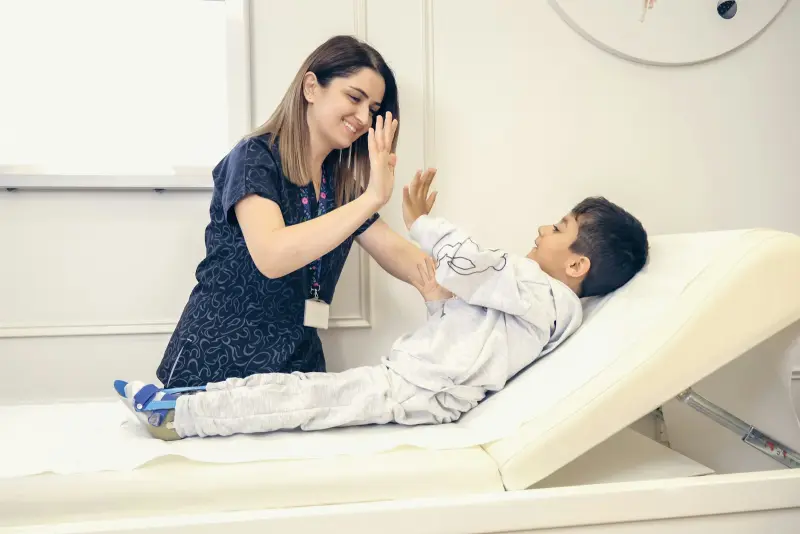
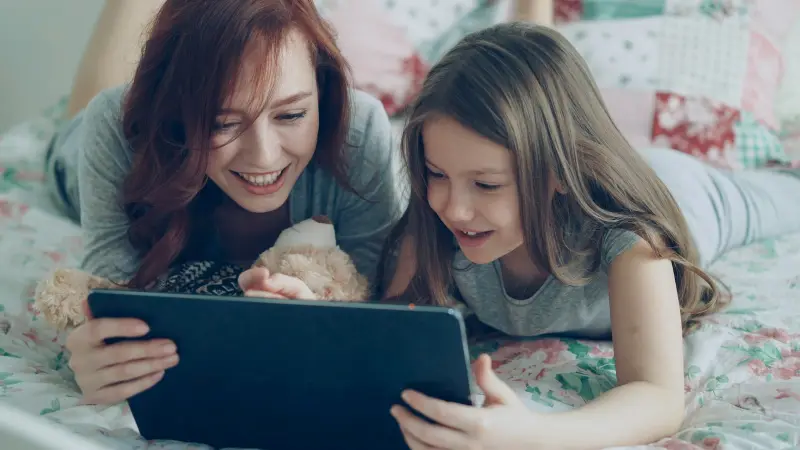
Play is how children learn. We help children enjoy being with others, take turns, share and join in.

(01)Overview

Social skills and play grow together. Through play, children learn to share attention, take turns, copy others, imagine and solve problems; through social interaction, they learn that being with other people can be enjoyable and rewarding. When either is hard, children may play alone, play in repetitive ways or find groups overwhelming.

We teach social and play skills in small, motivating steps: first with a trusted adult, then with one peer, then in small groups. Play goals follow the natural stages of development, from exploring objects to pretend and imaginative play, and always start from your child’s own interests.

Therapies that help

On this page

16 needs explained in plain language

These descriptions help you understand terms you may hear. They are not a diagnosis, which can only come from a qualified clinician.

(02)What we support

Social interaction, play and participation, explained

01

Social Skills Difficulties

Social skills are the many small behaviours that help us get along with others: greeting, sharing, waiting, joining in and sorting out disagreements. When these are hard, a child may play alone or find groups stressful. We teach them in small steps, in one-to-one and small-group settings.

02

Social Communication Difficulties

Social communication combines language with social understanding: knowing what to say, when to say it and to whom. A child may find it hard to start an interaction or keep it going. Therapy practises these exchanges in structured play and real situations.

03

Peer Interaction Difficulties

Some children relate well to adults but find other children unpredictable or overwhelming. We set up guided play with peers, so a child can practise approaching, joining in, sharing and responding, with support close at hand.

04

Difficulty Understanding Social Cues

Social cues include facial expressions, tone of voice, body language and unwritten rules, such as when to stop talking. A child who misses them may seem rude or unaware without meaning to be. We teach cues explicitly with pictures, video and role play.

05

Social Reciprocity Difficulties

Reciprocity is the back-and-forth of social life: responding when someone speaks to you, sharing enjoyment and showing interest in others. We build it through turn-taking games and shared activities the child already enjoys.

06

Turn-Taking Difficulties

Waiting for a turn needs attention, patience and an understanding of fairness. Turn-taking underpins games, conversation and group learning. We start with short, motivating games and gradually lengthen the wait.

07

Sharing and Cooperative Play Difficulties

Sharing toys and working towards a common goal, such as building a tower together, is hard for many young children and harder for some. We teach sharing with clear structure and plenty of success, then move on to cooperative play.

08

Group Participation Difficulties

Group settings such as circle time or classroom activities ask a child to follow group instructions, wait and stay with an activity. We prepare children for groups step by step, building the skills needed for school and community life.

09

Play Skills Development

Some children play repetitively, prefer lining things up or find it hard to use toys in varied ways. We expand play skills gradually, following the child’s interests, from simple actions with toys to imaginative play.

10

Exploratory Play

Exploratory play is the earliest stage of play, when a child investigates objects by touching, mouthing, shaking and looking at them. It builds an understanding of how things work and is the starting point for later play.

11

Functional Play

Functional play means using toys as they are meant to be used, such as pushing a car or feeding a doll with a spoon. It shows a child understands what objects are for, and it leads on to pretend play.

12

Symbolic and Pretend Play

In symbolic play, one object stands in for another, such as a block used as a phone. Pretend play builds imagination, language and an understanding of other people’s roles. We model pretend sequences and help the child extend them.

13

Interactive Play

Interactive play means playing with another person, responding to what they do and sharing the fun. We build it through games such as peek-a-boo, chase, ball games and simple board games.

14

Imaginative Play

Imaginative play involves creating stories, roles and situations, such as playing shop or doctor. It supports language, flexible thinking and social understanding. We introduce simple play scripts and expand them over time.

15

Independent Play

Being able to play alone for a while, safely and with purpose, is an important skill for a child and gives families some breathing space. We teach children to occupy themselves with suitable activities for gradually longer periods.

16

Play and Leisure Skills

Leisure skills are the activities a child enjoys in free time, from puzzles and books to outdoor games. A wider range of interests supports wellbeing, friendship and independence as children grow.

Free assessment

Talk to our team

We will find a time that suits your family.

Top Floor, Plot No. 66–67, Pocket G-29, Sector 3G, Rohini, Delhi 110085